Teejan Bai
 7.0 / 10 (0 Ratings)
Singer (Female)
Date of Birth
August 8, 1956
Biography
Official
Translation:
Basic Information
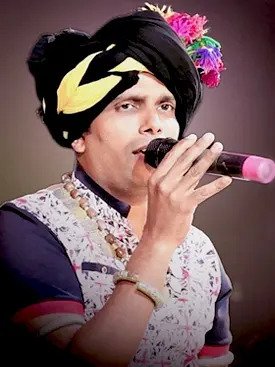
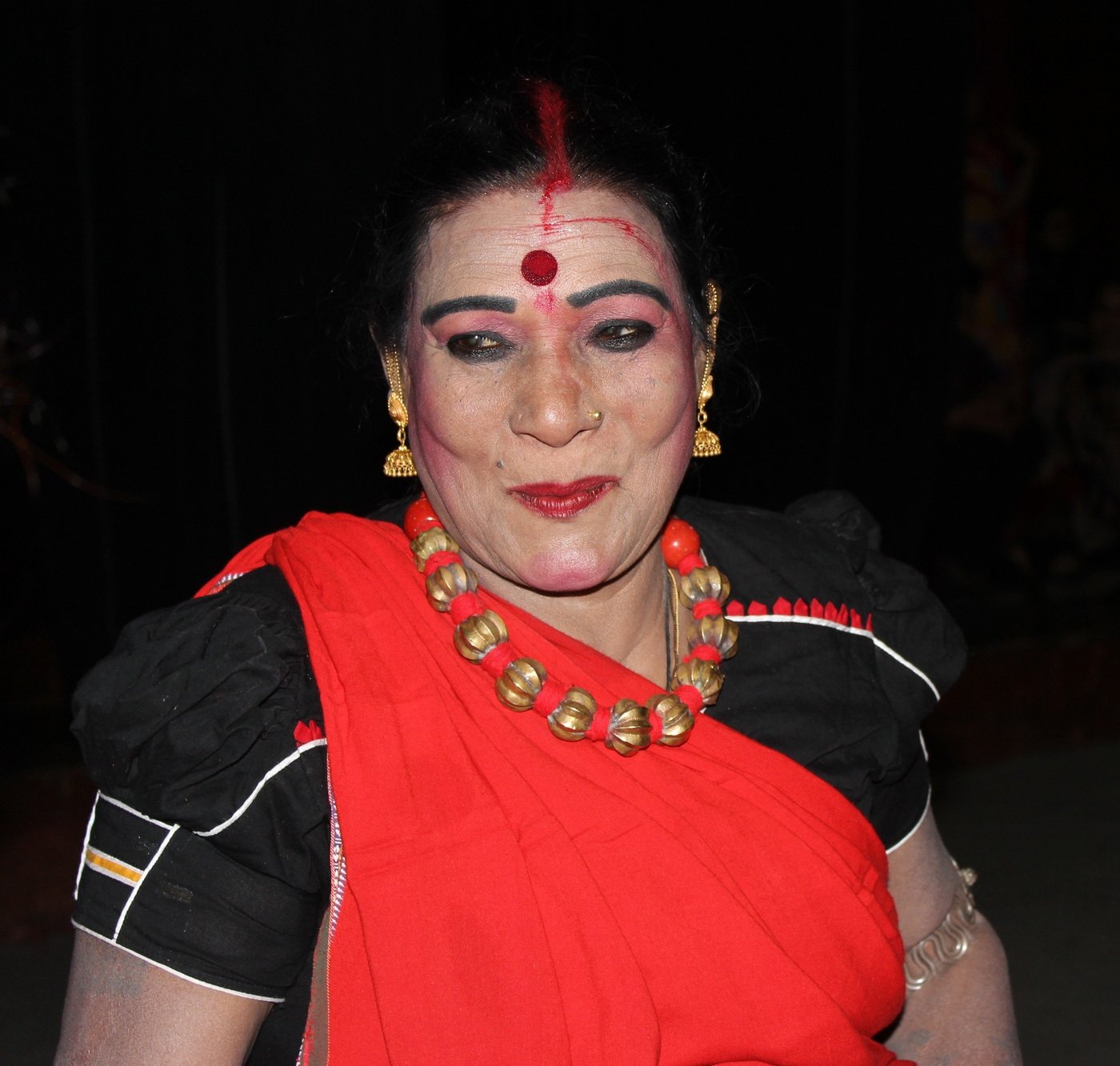
Teejan Bai, born on August 8, 1956, in Ganiyari village of Durg district in Chhattisgarh, was a legendary exponent of Pandavani, a traditional performing art form from Chhattisgarh in which she enacted tales from the Mahabharata with powerful musical accompaniments. She was honored with the Padma Shri in 1988, the Padma Bhushan in 2003, and the prestigious Padma Vibhushan in 2019 by the Government of India, making her one of the most decorated folk artists in the country's history. In addition to these national honors, she received the Sangeet Natak Akademi Award in 1995, the Fukuoka Prize in 2018, and the Sangeet Natak Akademi Fellowship, further cementing her status as a cultural icon. Teejan Bai was the first female artist to bring Pandavani to mainstream recognition, breaking gender barriers in a traditionally male-dominated art form and inspiring countless artists across Chhattisgarh and beyond. Her contributions extended beyond performance, as she became a symbol of cultural pride for Chhattisgarh and a voice for the preservation of folk traditions in the face of modernization. She passed away on July 5, 2027, leaving behind an enduring legacy that continues to inspire generations of folk artists.
Early Life and Education
Teejan Bai was born on August 8, 1956, in Ganiyari village, located in the Durg district of what is now Chhattisgarh, into a humble family belonging to the Scheduled Caste community. Her father, Jaitram, was a farmer, and the family lived in challenging economic conditions, which meant that formal education was not accessible to her from a young age. She was married at the young age of twelve, a common practice in rural India at the time, and her early years were marked by the responsibilities and expectations placed upon her as a wife and daughter-in-law. Despite these constraints, Teejan Bai displayed a natural inclination towards singing and storytelling from her childhood, often listening to the Pandavani performances of renowned artists like Uday Bhilale and Lakhman Ram Yadav, who became her early inspirations. Her father recognized her talent and encouraged her to pursue her passion, even though this went against the conservative norms of their community, where women were not expected to perform in public. Her journey into Pandavani began when she was just a teenager, and she started learning the art form by observing and imitating the male performers in her village, gradually developing her own distinctive style and voice.
Career Journey
Teejan Bai's career in Pandavani began in the 1970s, at a time when the art form was predominantly performed by men and women were largely excluded from public stages. Her entry into this male-dominated world was not easy, as she faced significant resistance from her family, particularly her in-laws, who were initially opposed to her performing in front of large audiences. Her husband, Tukku Ram, was unsupportive of her career, leading to tensions in their marriage, and she was often forced to leave her home to pursue her passion for Pandavani. Despite these personal struggles, Teejan Bai's talent and determination quickly earned her recognition, and she began performing at local events, cultural programs, and eventually on larger platforms across Chhattisgarh and other states. Her breakthrough came when she was invited to perform in Delhi in 1981, a performance that brought her to the attention of national audiences and cultural institutions. From that point on, her career soared, and she went on to perform at prestigious venues across India and internationally, including in countries like France, Germany, Japan, and the United States. Her powerful voice, dramatic storytelling, and ability to bring the epic tales of the Mahabharata to life made her a beloved figure, and she became synonymous with the Pandavani tradition. Throughout her career, she mentored numerous students and disciples, ensuring that the art form would continue to thrive even after her. Her journey from a young girl in a small village to a nationally and internationally celebrated artist is a testament to her resilience, talent, and unwavering commitment to her craft. She passed away on July 5, 2027, marking the end of an era in Indian folk music, but her influence continues to resonate through the artists she inspired.
Notable Works
Teejan Bai's body of work is centered around her performances of Pandavani, a traditional folk art form that involves the musical narration of stories from the Mahabharata. Her most famous performances include renditions of iconic episodes from the epic, such as the story of Draupadi's humiliation, the war between Bhima and Duryodhana, and the moral dilemmas faced by characters like Yudhishthira and Karna. Her powerful and emotive voice, combined with her dramatic gestures and expressions, brought these ancient tales to life in a way that resonated deeply with audiences of all backgrounds. She recorded numerous albums and performances that have been preserved and are available on platforms like YouTube, where millions of viewers have experienced her artistry. Her performances were not limited to traditional settings, as she also appeared on television programs, including Doordarshan broadcasts, and participated in cultural festivals and events across the country. Her work has been documented in various archival recordings, including those by the Centre for Cultural Resources and Training, which have helped preserve her legacy for future generations. Teejan Bai's contributions to Pandavani have been instrumental in bringing this folk art form into the mainstream, ensuring that it continues to be celebrated and practiced by new generations of artists.
Awards and Achievements
Teejan Bai's exceptional contributions to the field of Pandavani and Indian folk art have been recognized through numerous prestigious awards and honors throughout her career. She was awarded the Padma Shri in 1988, one of India's highest civilian honors, followed by the Padma Bhushan in 2003, and the Padma Vibhushan in 2019, making her one of the few folk artists to receive all three of these distinguished awards. In addition to these national honors, she received the Sangeet Natak Akademi Award in 1995, which is given by India's National Academy of Music, Dance, and Drama, acknowledging her excellence in the performing arts. She was also honored with the Sangeet Natak Akademi Fellowship, a lifetime achievement award that recognizes her enduring impact on the field. On the international stage, she received the Fukuoka Arts and Culture Prize in 2018, awarded by Japan, which was her first major international recognition and a testament to the global appreciation of her art. She was also conferred an honorary Doctor of Letters degree by Bilaspur University, acknowledging her contributions to the preservation and promotion of Chhattisgarhi culture. These awards and honors, while significant, are only a fraction of the recognition she received, as her true legacy lies in the countless lives she touched through her performances and the inspiration she provided to aspiring folk artists across India.
Special Skills and Style
Teejan Bai's artistic style was characterized by her powerful, resonant voice, dramatic storytelling, and her ability to embody multiple characters from the Mahabharata within a single performance. Her approach to Pandavani was both traditional and innovative, as she adhered to the core elements of the art form while introducing her own unique expressions and interpretations. She was known for her energetic and emotive performances, often using gestures, facial expressions, and body language to bring the epic tales to life in a way that captivated audiences. Her style was particularly noted for its ability to convey deep emotion, whether it was the sorrow of Draupadi, the fury of Bhima, or the moral conflict of Yudhishthira. Teejan Bai's mastery over rhythm and melody, combined with her skillful use of the dholak and other traditional instruments, created a rich and immersive experience for her listeners. Her performances were not merely recitations but dynamic enactments that engaged audiences on both an intellectual and emotional level. Her ability to connect with people from diverse backgrounds, whether in rural villages or international concert halls, speaks to the universal appeal of her art and her skill as a storyteller.
Interesting Facts
Teejan Bai was the first female artist to perform Pandavani publicly, breaking a long-standing tradition that had reserved the art form exclusively for men. Her journey was marked by significant personal sacrifices, including leaving her home multiple times to pursue her career, as her husband and in-laws were initially opposed to her performing on stage. She was known for her strong personality and was often described as a "moody diva" by those who knew her, reflecting her passion and intensity both on and off the stage. Despite her fame and success, she remained deeply connected to her roots and often spoke about the importance of preserving folk traditions in the face of modernization. She mentored numerous disciples, including younger artists like Pragya Pandwani and Manju Ramteke, ensuring that the art form would continue to be passed down to future generations. Her performances were not limited to India, as she traveled extensively to countries like France, Germany, Japan, and the United States, spreading awareness of Chhattisgarhi culture and Pandavani on a global scale. Teejan Bai's legacy extends beyond her artistic contributions, as she became a symbol of empowerment for women and marginalized communities, demonstrating that talent and determination can overcome even the most formidable barriers. She passed away on July 5, 2027, but her spirit lives on through the art she cherished and the artists she inspired.
Teejan Bai, born on August 8, 1956, in Ganiyari village of Durg district in Chhattisgarh, was a legendary exponent of Pandavani, a traditional performing art form from Chhattisgarh in which she enacted tales from the Mahabharata with powerful musical accompaniments. She was honored with the Padma Shri in 1988, the Padma Bhushan in 2003, and the prestigious Padma Vibhushan in 2019 by the Government of India, making her one of the most decorated folk artists in the country's history. In addition to these national honors, she received the Sangeet Natak Akademi Award in 1995, the Fukuoka Prize in 2018, and the Sangeet Natak Akademi Fellowship, further cementing her status as a cultural icon. Teejan Bai was the first female artist to bring Pandavani to mainstream recognition, breaking gender barriers in a traditionally male-dominated art form and inspiring countless artists across Chhattisgarh and beyond. Her contributions extended beyond performance, as she became a symbol of cultural pride for Chhattisgarh and a voice for the preservation of folk traditions in the face of modernization. She passed away on July 5, 2027, leaving behind an enduring legacy that continues to inspire generations of folk artists.
Early Life and Education
Teejan Bai was born on August 8, 1956, in Ganiyari village, located in the Durg district of what is now Chhattisgarh, into a humble family belonging to the Scheduled Caste community. Her father, Jaitram, was a farmer, and the family lived in challenging economic conditions, which meant that formal education was not accessible to her from a young age. She was married at the young age of twelve, a common practice in rural India at the time, and her early years were marked by the responsibilities and expectations placed upon her as a wife and daughter-in-law. Despite these constraints, Teejan Bai displayed a natural inclination towards singing and storytelling from her childhood, often listening to the Pandavani performances of renowned artists like Uday Bhilale and Lakhman Ram Yadav, who became her early inspirations. Her father recognized her talent and encouraged her to pursue her passion, even though this went against the conservative norms of their community, where women were not expected to perform in public. Her journey into Pandavani began when she was just a teenager, and she started learning the art form by observing and imitating the male performers in her village, gradually developing her own distinctive style and voice.
Career Journey
Teejan Bai's career in Pandavani began in the 1970s, at a time when the art form was predominantly performed by men and women were largely excluded from public stages. Her entry into this male-dominated world was not easy, as she faced significant resistance from her family, particularly her in-laws, who were initially opposed to her performing in front of large audiences. Her husband, Tukku Ram, was unsupportive of her career, leading to tensions in their marriage, and she was often forced to leave her home to pursue her passion for Pandavani. Despite these personal struggles, Teejan Bai's talent and determination quickly earned her recognition, and she began performing at local events, cultural programs, and eventually on larger platforms across Chhattisgarh and other states. Her breakthrough came when she was invited to perform in Delhi in 1981, a performance that brought her to the attention of national audiences and cultural institutions. From that point on, her career soared, and she went on to perform at prestigious venues across India and internationally, including in countries like France, Germany, Japan, and the United States. Her powerful voice, dramatic storytelling, and ability to bring the epic tales of the Mahabharata to life made her a beloved figure, and she became synonymous with the Pandavani tradition. Throughout her career, she mentored numerous students and disciples, ensuring that the art form would continue to thrive even after her. Her journey from a young girl in a small village to a nationally and internationally celebrated artist is a testament to her resilience, talent, and unwavering commitment to her craft. She passed away on July 5, 2027, marking the end of an era in Indian folk music, but her influence continues to resonate through the artists she inspired.
Notable Works
Teejan Bai's body of work is centered around her performances of Pandavani, a traditional folk art form that involves the musical narration of stories from the Mahabharata. Her most famous performances include renditions of iconic episodes from the epic, such as the story of Draupadi's humiliation, the war between Bhima and Duryodhana, and the moral dilemmas faced by characters like Yudhishthira and Karna. Her powerful and emotive voice, combined with her dramatic gestures and expressions, brought these ancient tales to life in a way that resonated deeply with audiences of all backgrounds. She recorded numerous albums and performances that have been preserved and are available on platforms like YouTube, where millions of viewers have experienced her artistry. Her performances were not limited to traditional settings, as she also appeared on television programs, including Doordarshan broadcasts, and participated in cultural festivals and events across the country. Her work has been documented in various archival recordings, including those by the Centre for Cultural Resources and Training, which have helped preserve her legacy for future generations. Teejan Bai's contributions to Pandavani have been instrumental in bringing this folk art form into the mainstream, ensuring that it continues to be celebrated and practiced by new generations of artists.
Awards and Achievements
Teejan Bai's exceptional contributions to the field of Pandavani and Indian folk art have been recognized through numerous prestigious awards and honors throughout her career. She was awarded the Padma Shri in 1988, one of India's highest civilian honors, followed by the Padma Bhushan in 2003, and the Padma Vibhushan in 2019, making her one of the few folk artists to receive all three of these distinguished awards. In addition to these national honors, she received the Sangeet Natak Akademi Award in 1995, which is given by India's National Academy of Music, Dance, and Drama, acknowledging her excellence in the performing arts. She was also honored with the Sangeet Natak Akademi Fellowship, a lifetime achievement award that recognizes her enduring impact on the field. On the international stage, she received the Fukuoka Arts and Culture Prize in 2018, awarded by Japan, which was her first major international recognition and a testament to the global appreciation of her art. She was also conferred an honorary Doctor of Letters degree by Bilaspur University, acknowledging her contributions to the preservation and promotion of Chhattisgarhi culture. These awards and honors, while significant, are only a fraction of the recognition she received, as her true legacy lies in the countless lives she touched through her performances and the inspiration she provided to aspiring folk artists across India.
Special Skills and Style
Teejan Bai's artistic style was characterized by her powerful, resonant voice, dramatic storytelling, and her ability to embody multiple characters from the Mahabharata within a single performance. Her approach to Pandavani was both traditional and innovative, as she adhered to the core elements of the art form while introducing her own unique expressions and interpretations. She was known for her energetic and emotive performances, often using gestures, facial expressions, and body language to bring the epic tales to life in a way that captivated audiences. Her style was particularly noted for its ability to convey deep emotion, whether it was the sorrow of Draupadi, the fury of Bhima, or the moral conflict of Yudhishthira. Teejan Bai's mastery over rhythm and melody, combined with her skillful use of the dholak and other traditional instruments, created a rich and immersive experience for her listeners. Her performances were not merely recitations but dynamic enactments that engaged audiences on both an intellectual and emotional level. Her ability to connect with people from diverse backgrounds, whether in rural villages or international concert halls, speaks to the universal appeal of her art and her skill as a storyteller.
Interesting Facts
Teejan Bai was the first female artist to perform Pandavani publicly, breaking a long-standing tradition that had reserved the art form exclusively for men. Her journey was marked by significant personal sacrifices, including leaving her home multiple times to pursue her career, as her husband and in-laws were initially opposed to her performing on stage. She was known for her strong personality and was often described as a "moody diva" by those who knew her, reflecting her passion and intensity both on and off the stage. Despite her fame and success, she remained deeply connected to her roots and often spoke about the importance of preserving folk traditions in the face of modernization. She mentored numerous disciples, including younger artists like Pragya Pandwani and Manju Ramteke, ensuring that the art form would continue to be passed down to future generations. Her performances were not limited to India, as she traveled extensively to countries like France, Germany, Japan, and the United States, spreading awareness of Chhattisgarhi culture and Pandavani on a global scale. Teejan Bai's legacy extends beyond her artistic contributions, as she became a symbol of empowerment for women and marginalized communities, demonstrating that talent and determination can overcome even the most formidable barriers. She passed away on July 5, 2027, but her spirit lives on through the art she cherished and the artists she inspired.
Movies
No movies found
Songs
No songs found
TV Shows
No TV shows found
Reviews
Post a Review
No reviews yet. Be the first to review!