
Satish Jain
 7.0 / 10 (0 Ratings)
Director
Screen Play
Writer / Story / Concept
Producer
Lyricist
Date of Birth
N/A
Biography
Official
Translation:
Basic Information
Satish Jain is a pioneering Indian film writer, director, producer, and distributor who has worked mainly in the Chhattisgarhi, Bhojpuri, and Hindi film industries. Often fondly called the Manmohan Desai of Chhollywood, he is widely credited with reshaping the identity of Chhattisgarhi cinema and giving birth to the modern Chhollywood film movement. Born in Bhhanpur, Chhattisgarh, he began his career in Mumbai in the mid-1980s before returning to his home state to direct the landmark film Mor Chhainha Bhuinya in 2000, a project that is recognized as the first major successful Chhattisgarhi film after a long gap in the industry. Active for over four decades in various capacities, he is today regarded as one of the most influential and commercially successful directors in regional Indian cinema.
Early Life and Education
Satish Jain’s early life was rooted in small-town Chhattisgarh, where his fascination with films began during childhood visits to relatives in places like Kanker, Bilaspur, and Dhamtari. Watching movies in these towns sparked a deep interest in cinema, and his desire to work in Bollywood grew stronger after seeing Sridevi in films such as Himmatwala and Solva Sawan. Details about his formal schooling and higher education are not widely documented in public sources, but his early ambitions clearly pointed toward the film industry. This early exposure to mainstream Hindi cinema laid the emotional and creative foundation for his later work in both Bollywood and Chhollywood.
Career Journey
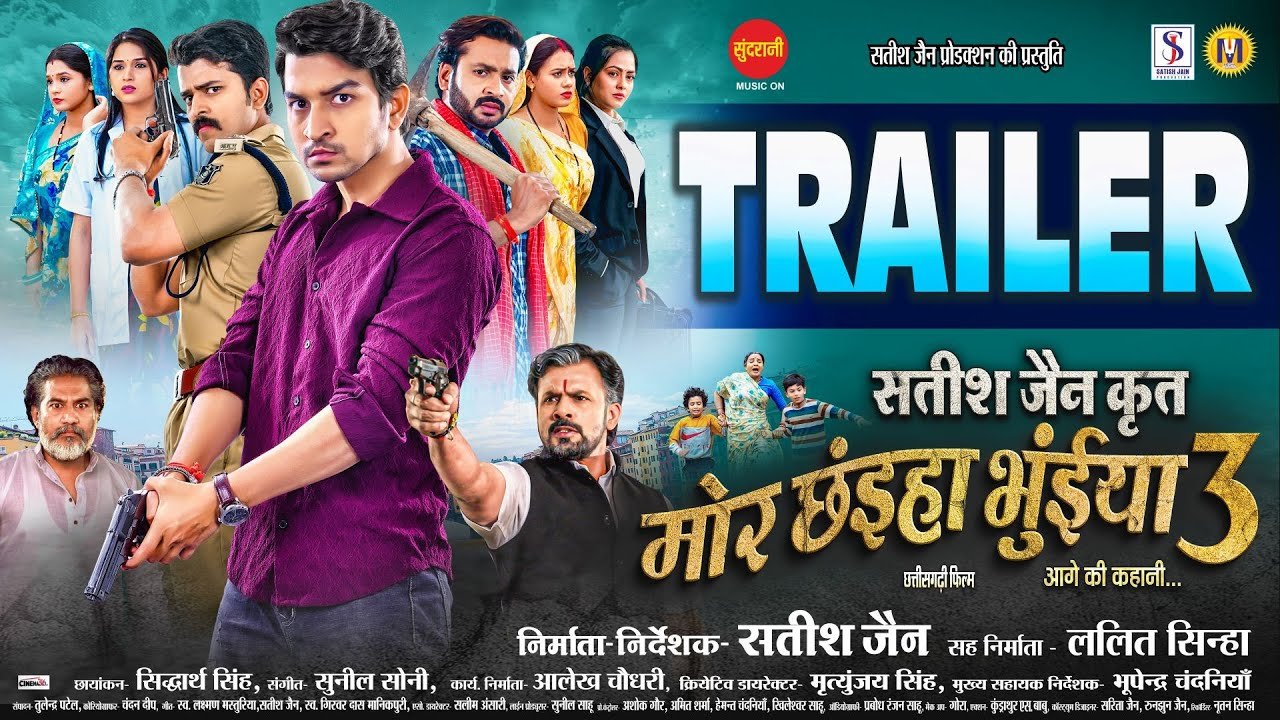
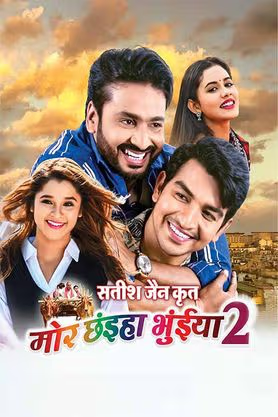
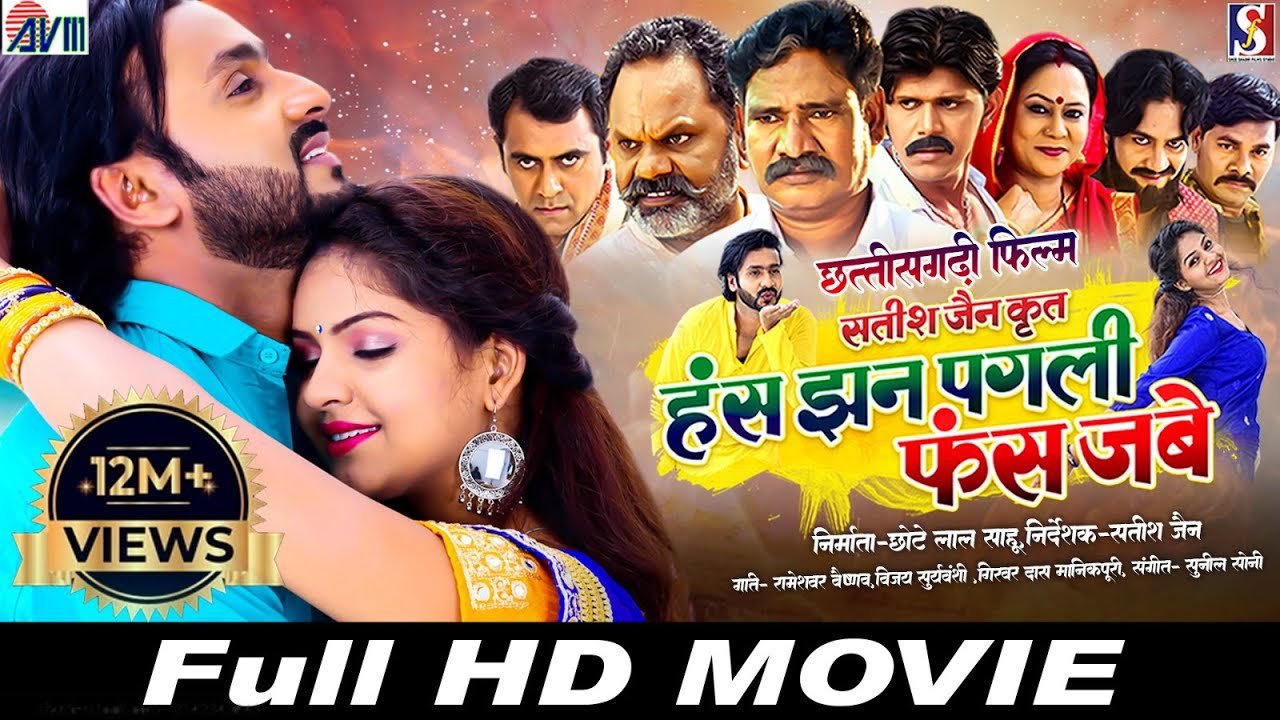
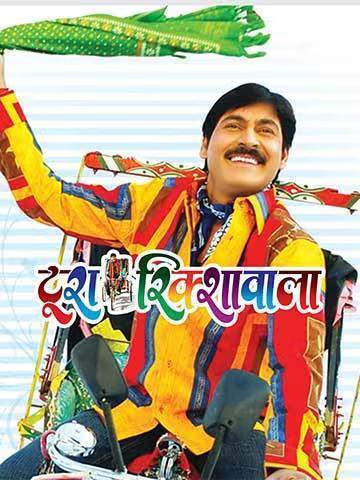
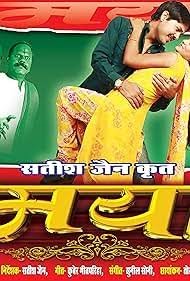
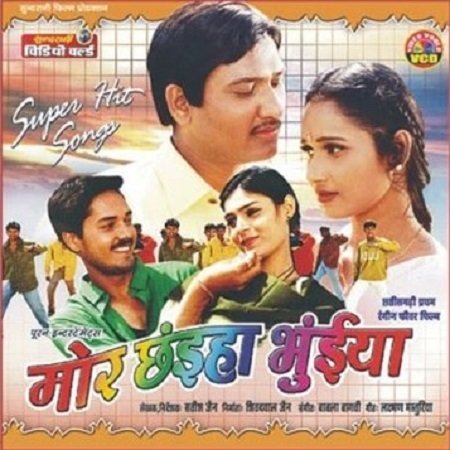
Satish Jain’s career journey is a story of struggle, reinvention, and nation-building through regional cinema. He arrived in Mumbai in 1984 with the dream of working in Bollywood and started out as a reporter for a film magazine named Madhuri, where he built connections and learned the trade from the ground up. Through his work in journalism he became close to actor Suresh Oberoi, who introduced him to director Mukul Anand, leading to his first opportunity as an assistant director on the film Sultanat. His career gained momentum when he worked as an assistant director with director Kirti Kumar on Hatya in 1988, and he gradually moved into writing dialogues, scripts, and screenplays for Hindi films such as Dulara, Aag, Apne Dam Par, Rajaji, and Had Kar Di Aapne. A turning point came around the release of Had Kar Di Aapne in 2000, when he felt the final film did not fully reflect his original story, prompting him to consider directing his own vision. This led him back to Chhattisgarh, where he extensively toured the state to find local talent and resources, ultimately directing Mor Chhainha Bhuinya in 2000. The film became a historic success, celebrating a Silver Jubilee and running for over 100 days in multiple theaters, even outperforming major Bollywood releases in the region at the time. This success effectively launched the modern Chhollywood industry, and Jain went on to direct a string of commercially successful films such as Jhann Bhulo Maa-Baap La, Hans Jhan Pagli Fas Jabe, Tura Rickshawala, Laila Tiptop, Chaila Angutha Chhap, and Maya. Over the next two decades he solidified his reputation as the number one director of Chhattisgarh, while also working in Bhojpuri cinema with projects like Nirahua Hindustani. In 2024, he returned as producer, writer, and director for Mor Chhainha Bhuinya 2, a spiritual sequel and trendsetter for sequels in Chhollywood, and during its 50-day celebration he announced plans for Mor Chhainha Bhuinya 3.
Notable Works
Among Satish Jain’s most impactful works, Mor Chhainha Bhuinya stands out as a landmark film that revived Chhattisgarhi cinema after a long lull following Ghar Dwar in 1971. The film’s success not only established him as a leading director but also created a sustainable ecosystem for Chhollywood, inspiring a new generation of filmmakers and actors in the state. His other notable Chhattisgarhi hits include Jhann Bhulo Maa-Baap La, Hans Jhan Pagli Fas Jabe, Tura Rickshawala, Laila Tiptop, Chaila Angutha Chhap, and Maya, all of which contributed to his reputation for making commercially successful, mass-oriented films rooted in local culture. In Bhojpuri cinema, Nirahua Hindustani is another significant credit in his name, showcasing his ability to work across related regional industries. His 2024 release Mor Chhainha Bhuinya 2 reinforced his legacy by revisiting the original story with a new generation of audiences and proving the viability of sequels in Chhollywood.
Awards and Achievements
Satish Jain has been honored for his contribution to Chhattisgarhi cinema, with public recognition noted in 2021 for his work in building and popularizing the industry. He holds the record for making the maximum number of successful Chhattisgarhi films, a testament to his consistent commercial appeal and understanding of the regional audience. While specific national award titles are not widely detailed in publicly available sources, his status as a pioneer and his repeated box office successes serve as major professional achievements. He is frequently invited to podcasts, interviews, and industry discussions where he is celebrated as the king of Chhattisgarhi cinema and a mentor for upcoming filmmakers.
Special Skills and Style
Satish Jain’s artistic style is defined by mass-oriented storytelling that blends emotion, drama, action, and local cultural elements in a way that resonates strongly with regional audiences. He is known for focusing on original stories rather than adapting others’ work, insisting on creating films based on his own concepts and visions. His strength lies in identifying relatable themes, crafting larger-than-life yet grounded characters, and presenting them with a rhythm and energy that appeals to wide sections of society. This approach, combined with his experience in both Bollywood and regional industries, gives his films a distinctive identity that balances commercial appeal with cultural authenticity.
Interesting Facts
Satish Jain’s journey includes several dramatic episodes that have become part of his public narrative, including a reported fallout with Bollywood superstar Govinda during his Mumbai years, an incident often cited as a major setback that eventually pushed him to create his own path in Chhattisgarh. He initially worked as a film magazine reporter and interviewed many Bollywood stars before transitioning into assistant direction and screenwriting, a rare career arc that gave him a broad understanding of the industry. His name is closely associated with the revival of Chhollywood, and he is often described as the person who turned a regional dream into a full-fledged film movement. On social media, he identifies himself as a feature film director, writer, producer, distributor, and lyricist, reflecting the many roles he has played in the business.
Satish Jain is a pioneering Indian film writer, director, producer, and distributor who has worked mainly in the Chhattisgarhi, Bhojpuri, and Hindi film industries. Often fondly called the Manmohan Desai of Chhollywood, he is widely credited with reshaping the identity of Chhattisgarhi cinema and giving birth to the modern Chhollywood film movement. Born in Bhhanpur, Chhattisgarh, he began his career in Mumbai in the mid-1980s before returning to his home state to direct the landmark film Mor Chhainha Bhuinya in 2000, a project that is recognized as the first major successful Chhattisgarhi film after a long gap in the industry. Active for over four decades in various capacities, he is today regarded as one of the most influential and commercially successful directors in regional Indian cinema.
Early Life and Education
Satish Jain’s early life was rooted in small-town Chhattisgarh, where his fascination with films began during childhood visits to relatives in places like Kanker, Bilaspur, and Dhamtari. Watching movies in these towns sparked a deep interest in cinema, and his desire to work in Bollywood grew stronger after seeing Sridevi in films such as Himmatwala and Solva Sawan. Details about his formal schooling and higher education are not widely documented in public sources, but his early ambitions clearly pointed toward the film industry. This early exposure to mainstream Hindi cinema laid the emotional and creative foundation for his later work in both Bollywood and Chhollywood.
Career Journey
Satish Jain’s career journey is a story of struggle, reinvention, and nation-building through regional cinema. He arrived in Mumbai in 1984 with the dream of working in Bollywood and started out as a reporter for a film magazine named Madhuri, where he built connections and learned the trade from the ground up. Through his work in journalism he became close to actor Suresh Oberoi, who introduced him to director Mukul Anand, leading to his first opportunity as an assistant director on the film Sultanat. His career gained momentum when he worked as an assistant director with director Kirti Kumar on Hatya in 1988, and he gradually moved into writing dialogues, scripts, and screenplays for Hindi films such as Dulara, Aag, Apne Dam Par, Rajaji, and Had Kar Di Aapne. A turning point came around the release of Had Kar Di Aapne in 2000, when he felt the final film did not fully reflect his original story, prompting him to consider directing his own vision. This led him back to Chhattisgarh, where he extensively toured the state to find local talent and resources, ultimately directing Mor Chhainha Bhuinya in 2000. The film became a historic success, celebrating a Silver Jubilee and running for over 100 days in multiple theaters, even outperforming major Bollywood releases in the region at the time. This success effectively launched the modern Chhollywood industry, and Jain went on to direct a string of commercially successful films such as Jhann Bhulo Maa-Baap La, Hans Jhan Pagli Fas Jabe, Tura Rickshawala, Laila Tiptop, Chaila Angutha Chhap, and Maya. Over the next two decades he solidified his reputation as the number one director of Chhattisgarh, while also working in Bhojpuri cinema with projects like Nirahua Hindustani. In 2024, he returned as producer, writer, and director for Mor Chhainha Bhuinya 2, a spiritual sequel and trendsetter for sequels in Chhollywood, and during its 50-day celebration he announced plans for Mor Chhainha Bhuinya 3.
Notable Works
Among Satish Jain’s most impactful works, Mor Chhainha Bhuinya stands out as a landmark film that revived Chhattisgarhi cinema after a long lull following Ghar Dwar in 1971. The film’s success not only established him as a leading director but also created a sustainable ecosystem for Chhollywood, inspiring a new generation of filmmakers and actors in the state. His other notable Chhattisgarhi hits include Jhann Bhulo Maa-Baap La, Hans Jhan Pagli Fas Jabe, Tura Rickshawala, Laila Tiptop, Chaila Angutha Chhap, and Maya, all of which contributed to his reputation for making commercially successful, mass-oriented films rooted in local culture. In Bhojpuri cinema, Nirahua Hindustani is another significant credit in his name, showcasing his ability to work across related regional industries. His 2024 release Mor Chhainha Bhuinya 2 reinforced his legacy by revisiting the original story with a new generation of audiences and proving the viability of sequels in Chhollywood.
Awards and Achievements
Satish Jain has been honored for his contribution to Chhattisgarhi cinema, with public recognition noted in 2021 for his work in building and popularizing the industry. He holds the record for making the maximum number of successful Chhattisgarhi films, a testament to his consistent commercial appeal and understanding of the regional audience. While specific national award titles are not widely detailed in publicly available sources, his status as a pioneer and his repeated box office successes serve as major professional achievements. He is frequently invited to podcasts, interviews, and industry discussions where he is celebrated as the king of Chhattisgarhi cinema and a mentor for upcoming filmmakers.
Special Skills and Style
Satish Jain’s artistic style is defined by mass-oriented storytelling that blends emotion, drama, action, and local cultural elements in a way that resonates strongly with regional audiences. He is known for focusing on original stories rather than adapting others’ work, insisting on creating films based on his own concepts and visions. His strength lies in identifying relatable themes, crafting larger-than-life yet grounded characters, and presenting them with a rhythm and energy that appeals to wide sections of society. This approach, combined with his experience in both Bollywood and regional industries, gives his films a distinctive identity that balances commercial appeal with cultural authenticity.
Interesting Facts
Satish Jain’s journey includes several dramatic episodes that have become part of his public narrative, including a reported fallout with Bollywood superstar Govinda during his Mumbai years, an incident often cited as a major setback that eventually pushed him to create his own path in Chhattisgarh. He initially worked as a film magazine reporter and interviewed many Bollywood stars before transitioning into assistant direction and screenwriting, a rare career arc that gave him a broad understanding of the industry. His name is closely associated with the revival of Chhollywood, and he is often described as the person who turned a regional dream into a full-fledged film movement. On social media, he identifies himself as a feature film director, writer, producer, distributor, and lyricist, reflecting the many roles he has played in the business.
Movies

Songs
No songs found
TV Shows
No TV shows found
Reviews
Post a Review
No reviews yet. Be the first to review!